
Your First Ferry Crossing: What to Expect from Check-In to Disembarkation
A stage-by-stage walkthrough of a first ferry crossing, from booking checks and port check-in to boarding,...

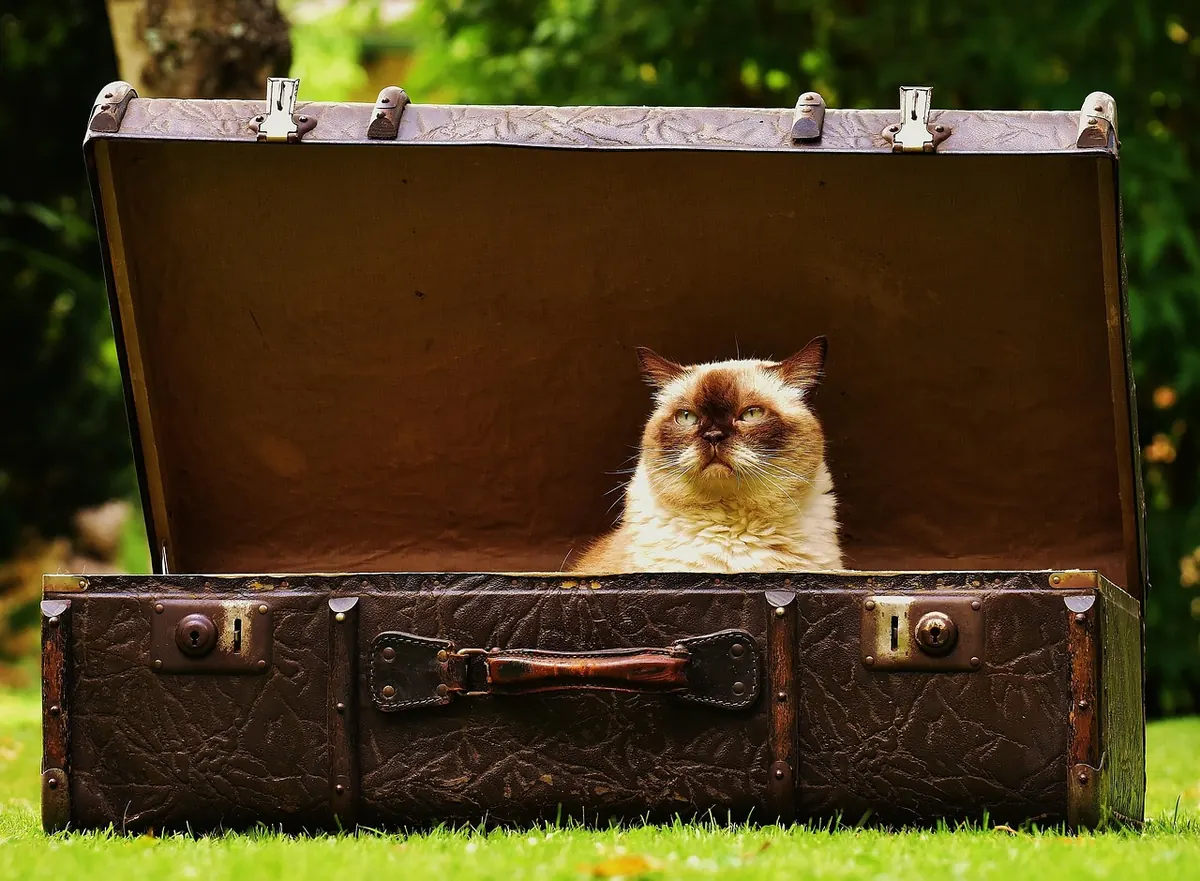
Ferries are the civilised way to travel. You drive on, walk upstairs and let somebody else do the driving for a couple of hours. The part that catches people out is the ten minutes after the announcement asking passengers to return to their vehicles. Whatever you left in the boot stays in the boot, and whatever is in your hand luggage is all you have.
Pack for the crossing, and for that moment you have to leave the car, and the whole day runs more smoothly. Here is a checklist worth working through before you set off.
Everything else on this list can be bought at a service station or borrowed from a fellow passenger. Passports and medication cannot. Keep them on your person — a zipped pocket or a small crossbody bag that never leaves you — rather than in the depths of a rucksack.
Ferry decks are windy whatever the forecast promised, and the lounges can be cold, crowded or both. A layer you can pull on without opening a suitcase is worth more than anything else in the bag.
Ferries do not usually apply airport-style liquid limits, but operators can and do search bags, and coach passengers sometimes face different rules again. Keep anything you would rather not have unpacked — medication, for instance — near the top of the bag rather than buried at the bottom.
This is where a checklist earns its keep. You have parked in a tight row, taken what you can carry and joined the queue at the stairs. Halfway up, the questions start: where are the keys, who has the dog's lead, did anyone bring a jumper?
Pet policies differ by operator and by route, and not every ship has pet-friendly cabins, so read your operator's rules before you travel rather than assuming.
Children find the first twenty minutes of a crossing thrilling and the next hour very long. A small bag of their own, packed by them, solves most of it: a favourite toy, a card game, snacks they chose, a spare pair of socks. If you are travelling overnight, put pyjamas and toothbrushes in the hand luggage so nobody is digging through the boot at midnight.
If someone in your group gets seasick, plan ahead rather than hoping for the best. A pharmacist can advise on suitable remedies before you travel. On board, it usually helps to sit low and towards the middle of the ship, get some fresh air and keep something bland in your stomach. Seek advice from a pharmacist or doctor if you are unsure, particularly if you are pregnant or taking other medication.
Onboard cafés are perfectly good, but they get busy the moment the ship sails. Travelling with young children or on a tight schedule? Eat before you board or bring your own. A flask, a couple of mugs and a bag of tea bags will see you through a winter crossing for very little.
Weather changes quickly at sea. A calm morning can turn into a breezy afternoon, and the open deck is always cooler than the terminal car park. Layer up, wear shoes you could walk in on a moving floor, and keep a light waterproof where you can reach it.
A handful of items should be gettable without unpacking the whole car, and some of them are legal requirements in certain countries.
Requirements vary from country to country, so check the current rules for every country you will drive through — including the one you are leaving — before you set off.
Then relax. The car is settled, you are on board, and everything else can wait until the other side.
Photo: Alexas_Fotos / Pixabay
A stage-by-stage walkthrough of a first ferry crossing, from booking checks and port check-in to boarding,...
Dover, Newhaven and Portsmouth all cross the Channel, but drive times, operators, crossing lengths and...
A practical guide to Portsmouth's ferry terminals, covering parking, terminal facilities, rail and road...