Ferry Packing Checklist: What to Keep in Your Hand Luggage and Car
A practical tick-box guide to packing for a ferry crossing, covering documents, hand luggage and the...


Your first ferry crossing is less mysterious than it looks. Underneath the tannoy announcements and the queue of idling cars, it's a simple sequence: arrive, check in, park, sail, drive off. The trick is knowing which parts you control, and giving yourself enough slack that a wrong turn on the approach road doesn't become a missed sailing.
Here's how the journey usually runs, stage by stage.
Most of the admin happens well before you see water, and it's mostly about documents and time.
Check your booking confirmation properly. It will give you the check-in deadline, the terminal, and the registration of the vehicle you booked. That last detail matters more than people expect, because tickets are usually tied to a specific number plate. If you've hired a car or changed vehicle since booking, ring the operator before you travel rather than explaining it at the booth.
Then sort your paperwork. Passport and ID requirements depend entirely on the route. A domestic crossing between two UK ports is a different matter from a crossing into Europe, where a full passport is normally required and the rules on validity can change. Check current requirements for your specific route with the operator or the relevant government travel advice, and don't rely on what was true a few years ago.
Plan to arrive early. Check-in windows are not suggestions. Operators typically ask foot passengers to check in well before departure, and vehicle passengers earlier still; on busy routes the margin is generous. Read your own confirmation rather than going by a general rule, then add buffer for traffic, roadworks and the fact that port approach roads are rarely signposted like a retail park.
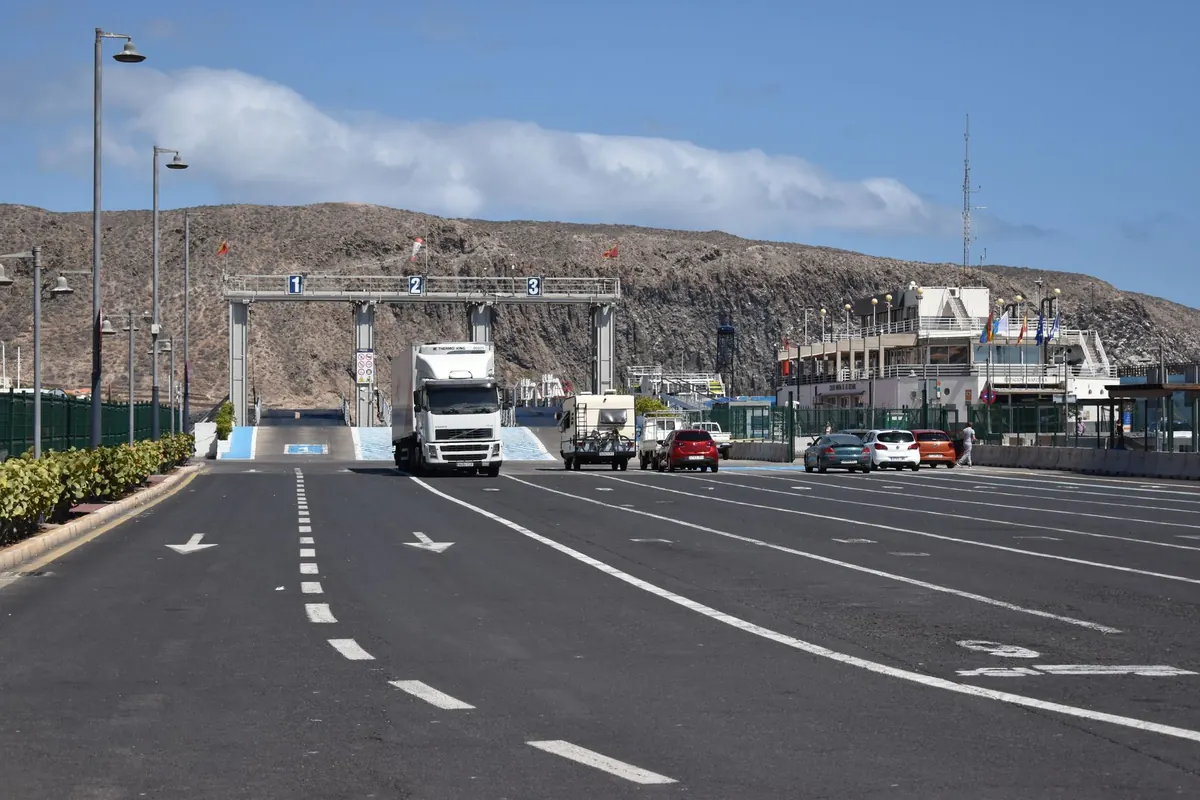
Ports are industrial places with clear signage and a lot of vehicles moving slowly in the same direction. Follow the signs for your operator's terminal and your vehicle type, and resist the urge to cut across lanes because the queue alongside looks shorter.
At the booth you'll be asked for your booking reference or your registration. Staff check you in, hand you a boarding card or lane hanger, and point you towards a holding lane. Then you wait — ten minutes if you're lucky, considerably longer if the ship is late or the port is busy.
Some routes include a security check: a brief look in the vehicle, a bag scan, a sniffer dog ambling past. It's routine and usually quick. Answer questions plainly and keep documents where you can reach them without unpacking the whole car.
Boarding is directed, not chosen. Marshals wave you forward in lane order, and you follow the car in front up the ramp and onto the vehicle deck. Move slowly, do what the crew signal, and don't overtake.
Once you're parked: handbrake on, in gear if instructed, keys and valuables with you. Note where you are. Decks are labelled, but every stairwell looks much the same, so photograph the nearest pillar sign or memorise the deck number and letter.
Then you're free. Crossings range from a short hop to a full night at sea, and ships vary enormously — some are a floating café with a shop, others have cabins, restaurants and play areas. If your ticket doesn't include a cabin or a reserved seat, claim a spot early, because popular seating fills fast on busy sailings.
Ask a pharmacist before you travel rather than waiting until you feel unwell, since most remedies work best taken in advance. In rough weather, sitting low and towards the middle of the ship, getting fresh air and fixing your eyes on the horizon tend to help. Plenty of first-timers feel absolutely fine.
You'll hear an announcement telling vehicle passengers to return to their cars. Not before — crew need the decks clear while the ship docks.
Back at the car, wait for the lanes to move. Vehicles disembark roughly in the order they were loaded, so sprinting to the stairwell gains you nothing. Once you're off the ramp, follow the signs out of the port and give yourself a moment to adjust. If you've arrived in a country that drives on the right, take the first few miles gently and pull over somewhere safe to reset your satnav and get your bearings.
Equipment rules vary by country — hi-vis jackets, warning triangles, headlamp converters — so check what's required before you sail rather than at the border. Coming back into the UK, expect passport or customs checks on some routes, and have everyone's documents together.
Photo: analogicus / Pixabay
A practical tick-box guide to packing for a ferry crossing, covering documents, hand luggage and the...
Dover, Newhaven and Portsmouth all cross the Channel, but drive times, operators, crossing lengths and...
A practical guide to Portsmouth's ferry terminals, covering parking, terminal facilities, rail and road...